
Dental Anxiety in Warminster: How Comfort Options Can Make Dental Visits Easier
Published on Aug 7, 2026 | 14 minute read
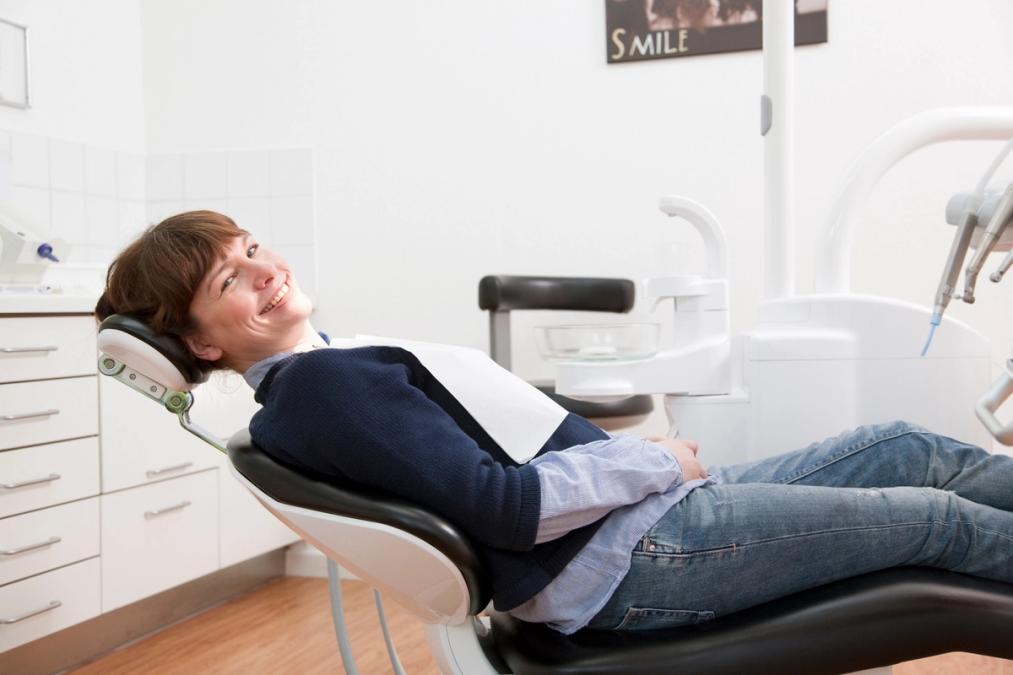
Does simply thinking about a dental appointment make your shoulders tense or your stomach feel uneasy? Dental anxiety is common, and it can range from mild nervousness before a cleaning to significant fear that makes scheduling treatment difficult.
For some patients, the concern comes from a previous uncomfortable experience. Others dislike dental sounds, injections, unfamiliar sensations, or the feeling of not being in control. Meanwhile, some people cannot point to a specific cause. They simply know that dental appointments make them anxious.
Fortunately, modern dental care can be approached differently. For patients in Warminster, comfort-focused dentistry can combine communication, thoughtful pacing, practical amenities, and sedation options when appropriate. The goal is not to pretend anxiety does not exist. Instead, the goal is to create an experience that feels more manageable.
What Is Dental Anxiety?
Dental anxiety describes nervousness, worry, or fear connected with dental treatment.
It can appear in many different ways.
Some patients experience:
- Trouble sleeping before an appointment
- A racing heartbeat in the waiting room
- Muscle tension
- Sweating
- Nausea
- Difficulty sitting still
- Fear of injections
- Sensitivity to dental sounds
- Worry about feeling pain
- Embarrassment about the condition of their teeth
- Fear of hearing bad news
- A strong urge to cancel appointments
For others, dental anxiety is less obvious. They may repeatedly postpone care, schedule only when a tooth becomes painful, or avoid discussing dental concerns altogether.
Whatever the pattern, recognizing dental anxiety is useful because the dental team can adapt the experience when they know what is bothering you.
Why People Feel Nervous About Dental Care
Dental anxiety does not have one universal cause.
A previous difficult appointment can certainly influence how someone feels about future care. However, other factors can be just as important.
Fear of Discomfort
Some patients worry that treatment will hurt or that anesthesia will not work well enough.
Modern dentistry includes multiple strategies for keeping patients comfortable, but communicating your concerns before treatment begins is important.
Fear of Losing Control
Dental treatment requires sitting back while someone works in an area you cannot see clearly.
That can make some patients feel vulnerable.
Agreeing on a simple hand signal for breaks can help restore a sense of control.
Sensitivity to Sounds or Sensations
The sound of dental instruments, vibration, water, or suction may trigger anxiety even when the procedure itself is not painful.
Earplugs, entertainment, pauses, and clear explanations may help.
Embarrassment
Some patients delay treatment because they worry the dental team will criticize their teeth or ask why they waited so long.
Avoiding care can then create a cycle. The longer someone waits, the more worried they become about returning.
A productive dental visit should focus on what can be done from this point forward.
Fear of the Unknown
Not knowing what will happen next can make a simple procedure feel much more intimidating.
For many patients, a clear step-by-step explanation reduces uncertainty.
Tell the Dental Team You Are Anxious
One of the most helpful things you can do is mention your anxiety when scheduling or when you arrive.
You do not need to provide a long explanation.
Simply saying, “I get nervous at the dentist,” gives the team useful information.
You can also be more specific:
- “I am worried about injections.”
- “Dental sounds bother me.”
- “I need breaks during longer treatment.”
- “I had a difficult experience in the past.”
- “I do better when I know what is happening.”
- “Please do not give me too many details.”
- “I am nervous about feeling numb.”
- “I have a strong gag reflex.”
Different patients need different communication styles. One person may feel calmer when every step is explained. Another may prefer headphones and minimal discussion during the procedure.
There is no single correct way to manage dental anxiety.
What Is Comfort-Focused Dentistry?
Comfort-focused dentistry means considering the patient's physical and emotional experience along with the clinical treatment.
That may include simple measures such as adjusting the chair, providing a neck pillow, offering a blanket, allowing breaks, or using entertainment to reduce attention on the procedure.
At Dolan Dental, comfort amenities are available to help patients feel more at ease during care. Depending on the visit and patient needs, comfort measures may include blankets, neck support, entertainment, sound control, beverages before or after appropriate appointments, and sedation options.
Small details can make a meaningful difference, especially for someone whose anxiety is triggered by the environment rather than the dental treatment itself.
Benefits of Comfort-Focused Dentistry for Dental Anxiety
Comfort-focused care can help make dental appointments feel more manageable for nervous patients.
Potential benefits include:
- Greater sense of control: Break signals and clear communication allow patients to participate actively in their care.
- Reduced uncertainty: Knowing what to expect can make treatment feel less intimidating.
- More comfortable positioning: Pillows and physical support may help during longer appointments.
- Reduced attention to dental sounds: Earplugs, music, or entertainment can make the environment feel less intense.
- Options for relaxation: Nitrous oxide or other sedation approaches may be appropriate for selected patients.
- Better ability to complete needed care: Patients who feel supported may be less likely to delay treatment until a problem becomes urgent.
- More positive future experiences: A series of manageable visits can gradually change expectations about dental care.
- Personalized appointments: The dental team can adapt pacing and communication to what works best for the individual.
The goal is not necessarily to eliminate every nervous feeling. Instead, comfort-focused dentistry can help keep anxiety from controlling the decision to receive care.
What Is Nitrous Oxide?
Nitrous oxide is commonly known as laughing gas. It is one option that may help selected patients relax during dental treatment.
The gas is delivered through a small mask placed over the nose. You breathe normally while receiving a controlled mixture.
Patients generally remain awake and able to communicate during the appointment.
Nitrous oxide may be useful for people with mild to moderate dental anxiety, a sensitive gag reflex, or difficulty relaxing during procedures.
One advantage is that the effects can be adjusted during treatment and typically wear off relatively quickly after the gas is discontinued and oxygen is administered.
However, nitrous oxide is not right for everyone. Your dentist will review your medical history and the planned treatment before recommending sedation.
What Is Oral Sedation?
Oral sedation involves medication taken by mouth before dental treatment to help reduce anxiety.
The level of relaxation can vary depending on the medication and dosage.
Patients receiving oral sedation may feel drowsy and may remember less about portions of the appointment. Because the effects can last longer than nitrous oxide, specific safety instructions are necessary.
For example, patients may need another responsible adult to provide transportation.
The dentist will also review medications, health conditions, and other factors before determining whether oral sedation is appropriate.
Never take medication for dental anxiety without following the dentist's specific instructions.
Is Sedation the Same as Being Unconscious?
Not necessarily.
Many forms of dental sedation are designed to help you relax while remaining responsive.
Nitrous oxide, for example, generally allows patients to stay awake and communicate.
Oral sedation may create a deeper level of relaxation, but the experience depends on the medication and individual patient.
The term “sedation dentistry” can refer to different approaches, so it is important to ask exactly what is being recommended and what you should expect.
Your dentist can explain:
- How the sedation is administered
- How alert you are expected to remain
- Whether you need someone to drive you
- Eating or drinking instructions
- Medication restrictions
- How long the effects may last
- What monitoring is used during treatment
Knowing these details can reduce uncertainty before the appointment.
Sedation Does Not Replace Local Anesthesia
Patients sometimes assume that sedation and local anesthesia are the same thing.
They serve different purposes.
Sedation primarily helps with relaxation and anxiety. Local anesthesia numbs the treatment area to prevent pain.
Depending on the procedure, both may be used.
For example, a patient receiving nitrous oxide for anxiety may still receive local anesthetic before a filling or crown preparation.
Understanding this distinction can help you know what to expect.
How Communication Can Reduce Dental Anxiety
Medication is only one tool.
For many patients, communication is equally important.
Before treatment starts, consider agreeing on a stop signal. Raising your left hand, for example, can tell the dentist that you need a break.
You can also ask for the appointment to be divided into smaller steps.
Some patients prefer to hear:
“First I will numb the area, then we will wait a few minutes, then I will check that the tooth is comfortable before beginning.”
That sequence creates predictability.
Other patients would rather not hear procedural details. They may prefer to watch television or listen to music.
Tell the dental team which approach feels better for you.
What If You Have a Strong Gag Reflex?
A strong gag reflex can make dental treatment stressful even when you are not otherwise anxious.
Several strategies may help, depending on the procedure.
Breathing slowly through the nose can be useful. Positioning adjustments may also help. In addition, the dental team may use smaller instruments or modify how certain materials are placed.
Sedation can sometimes reduce the intensity of the gag reflex for selected patients.
Most importantly, tell the dental team before the procedure begins. Trying to push through severe gagging without communication can make the experience more stressful.
Start With a Simple Visit if You Have Been Avoiding Care
If you have avoided dentistry for years because of anxiety, you do not necessarily need to begin with extensive treatment.
A consultation or examination can be a manageable first step.
This allows you to meet the team, explain your concerns, and understand what treatment may be needed.
If multiple problems are found, they can often be prioritized.
Urgent needs can be handled first, while less time-sensitive care can be scheduled later.
Breaking treatment into stages can make the process feel less overwhelming.
What You Can Do Before an Appointment
You can also take simple steps before your visit.
Consider these strategies:
- Schedule at a time of day when you generally feel less rushed.
- Avoid excessive caffeine if it makes you feel jittery.
- Eat normally unless your dental team gives specific fasting instructions.
- Bring headphones if music helps you relax.
- Write down questions so you do not forget them.
- Arrive with enough time that you are not rushing.
- Tell the office about your anxiety before treatment starts.
- Arrange transportation if sedation instructions require it.
- Practice slow, steady breathing while waiting.
If you are using prescribed sedation medication, follow the office instructions exactly.
Dental Anxiety Should Not Decide When You Receive Care
Avoiding the dentist can provide temporary relief from anxiety, but it may allow small dental problems to become more complicated.
A tooth that could have been treated with a filling may eventually need a larger restoration. Gum inflammation can progress when it is not addressed. Meanwhile, an older crown or filling may fail unexpectedly.
Receiving regular care can make appointments more predictable.
Short preventive visits are often easier to manage than urgent treatment for severe pain.
Therefore, finding a dental environment where you feel comfortable can have long-term benefits beyond a single appointment.
Make Dental Care Feel More Manageable
Dental anxiety is real, but it does not have to prevent you from protecting your oral health. Communication, personalized pacing, comfort amenities, and appropriate sedation options can all help make treatment easier to approach.
If dental anxiety has kept you from scheduling care, Call Us Today at Dolan Dental in Warminster, PA. Reach the office at (267) 961-5884 to discuss your concerns and learn which comfort options may be appropriate for your next dental visit.
