
Warminster Oral Cancer Screening: Get Peace of Mind
Published on Feb 10, 2026 | 6 minute read
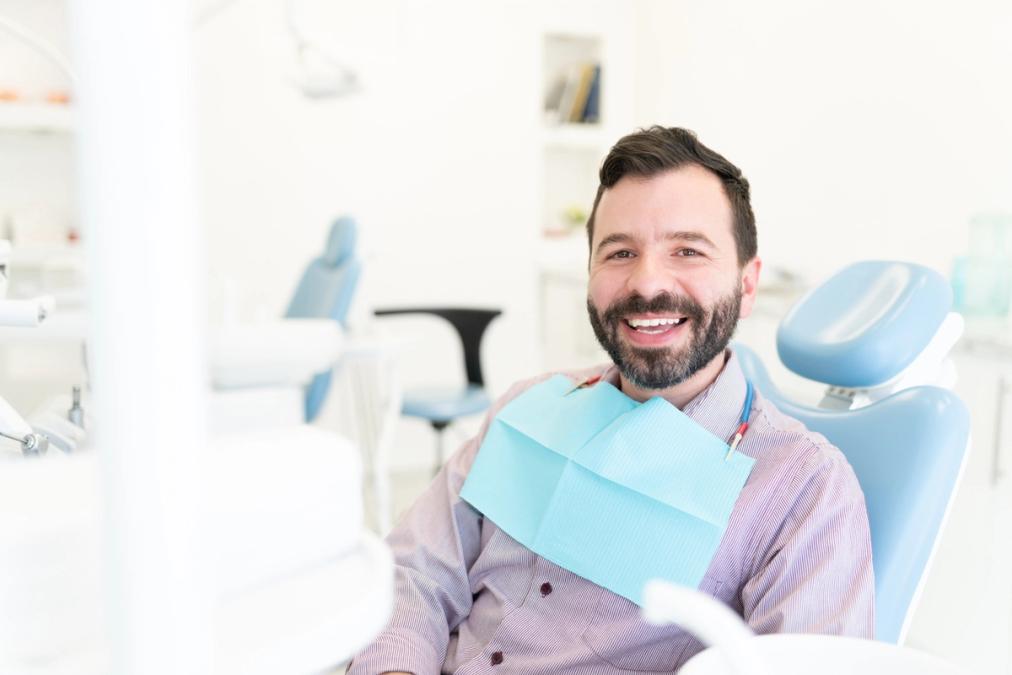
Most people think a dental visit is only about cavities and cleanings. But your mouth is also an important part of your overall health, and one of the most valuable services a dental team can provide is an oral cancer screening. At Dolan Dental in Warminster, PA, oral cancer screenings are incorporated into routine care so that unusual changes can be identified early—often before symptoms become obvious.
This article breaks down what screenings include, what signs to watch for at home, and why early detection matters.
What Is An Oral Cancer Screening?
An oral cancer screening is a brief exam of the soft tissues in and around the mouth. It’s noninvasive and typically takes only a few minutes. During the screening, we evaluate areas where concerning changes can occur, including:
- Lips and corners of the mouth
- Cheeks and inner lining of the mouth
- Tongue (top, sides, and underneath)
- Floor of the mouth
- Roof of the mouth
- Throat and tonsil area
- Jaw and neck (lymph nodes)
The goal is not to alarm you—it’s to ensure that if anything unusual appears, it’s addressed promptly and appropriately.
Why Screenings Are Part Of Preventive Dental Care
Oral cancer can be difficult to spot on your own, especially early. Many early changes are painless. A routine screening provides:
- A consistent baseline over time
- A trained eye to notice subtle tissue changes
- A plan for monitoring or referral if something needs evaluation
Most abnormalities turn out to be benign—like irritation from a sharp tooth edge, cheek biting, or a healing ulcer—but the screening ensures nothing important is missed.
Risk Factors: What Increases Concern?
Oral cancer risk is higher in some groups, but it’s important to know that anyone can develop suspicious lesions. Common risk factors include:
- Tobacco use (smoking or smokeless)
- Heavy alcohol use
- HPV-related throat cancers (in certain cases)
- Significant sun exposure (especially for the lips)
- Age (risk increases with age)
- A history of previous cancers
Even without these risk factors, routine screenings are still valuable because early changes can happen quietly.
What We Look For During A Screening
During the exam, we’re looking for tissue changes such as:
- White patches that don’t wipe away
- Red patches that persist
- Ulcers that don’t heal
- Thickened tissue or lumps
- Areas that bleed easily
- Texture changes (roughness or unusual firmness)
- Swelling or asymmetry in the neck
We also ask questions about symptoms you may have noticed—like chronic sore throat, hoarseness, or difficulty swallowing—because those can sometimes be connected to areas deeper in the throat.
What You Should Watch For At Home
Between visits, keep an eye out for:
- A mouth sore that doesn’t heal within two weeks
- A spot that repeatedly scabs, bleeds, or returns
- A persistent lump in the neck
- A feeling of something “caught” in the throat
- Ongoing hoarseness without a clear cause
- Numbness or tingling in the mouth or tongue
- Pain when swallowing that doesn’t improve
If you notice any of these, schedule an evaluation. Most issues aren’t serious, but waiting too long can delay the care you might need.
If Something Looks Suspicious, What Happens Next?
Finding an area of concern doesn’t mean you “have cancer.” It simply means it deserves a closer look. Next steps may include:
- Re-evaluation after a short healing period (if irritation is likely)
- Removing an irritant (like smoothing a sharp tooth edge)
- Additional assessment tools that help visualize tissue changes
- Referral to a specialist for a biopsy when appropriate
A biopsy is the only definitive way to diagnose cancer. It involves taking a small tissue sample and sending it to a lab. Many biopsies are benign or reveal treatable precancerous changes—still an important win because it means you can act early.
The Value Of Early Detection
Early detection changes outcomes. When concerning lesions are found early, treatment tends to be:
- More conservative
- Less invasive
- More effective
- Associated with better recovery and fewer long-term side effects
That’s why screenings are part of high-quality preventive dentistry. They’re quick, simple, and potentially life-saving.
Prevention Tips You Can Start Today
While not all cases are preventable, you can lower risk with practical steps:
- Avoid tobacco in all forms
- Limit alcohol intake, especially when combined with tobacco
- Use lip balm with SPF and protect lips from sun exposure
- Maintain routine dental exams so screenings happen consistently
- Eat a balanced diet and stay hydrated
- If you have persistent irritation from a denture or sharp tooth, address it rather than “toughing it out”
What Patients Often Ask
“Is A Screening Painful?”
No. It’s a visual and gentle tactile exam. Most patients don’t feel anything beyond light pressure during neck checks.
“Do I Need It If I Feel Fine?”
Yes. Early changes often don’t hurt. Feeling fine is exactly why routine screening matters.
“How Often Should I Be Screened?”
Generally, screenings are included during regular preventive visits. Your recommended schedule depends on your personal health and risk factors.
A Simple Check That Supports Your Whole-Body Health
Oral cancer screenings are one of those services that are easy to overlook—until you realize how powerful they are. If it’s been a while since your last exam, a screening is a great reason to get back on schedule.
Ready to stay proactive with your health? Contact Dolan Dental in Warminster at 267-961-5884 to Schedule a Consultation.
